Empowering parents in supporting their LGBTQIA+ teens
Coach for parents - but also individuals, couples, polycules etc. who want to challenge the norms!
Hey Caregiver, how is your own nervous system doing?
Have you ever felt so "tightly wound" that even the smallest hitch in your day makes your cup overflow? Or perhaps you’ve experienced moments where the world feels gray and your limbs feel like lead, even after a holiday? Or maybe you feel like you can’t settle for a single second— as if your mind is constantly braced for a fire alarm to go off.
During the holidays, many of us hear the usual clichés from well-meaning relatives: "Just pull yourself together!" or "Stop stressing!" or "Just close your eyes and let it go." For those dealing with exhaustion, anxiety, or high sensitivity, these "immortal pearls of wisdom" aren't new — you’ve likely tried every trick in the book. Usually, they don't work. In fact, failing to "just relax" often leads to self-disappointment and fuels an even harsher inner critic.
It doesn’t have to be this way.
Managing the demands of life isn't about more self-discipline. When your life is about survival rather than living, tightening the screws of "willpower" only causes deeper damage. Burnout isn't solved by pushing harder. Minority stress doesn't disappear by forcing more social exposure. Sleep doesn't improve by counting sheep to a million.
So, what is actually happening?
Hyper-activation and Hypo-activation
Our autonomic nervous system — our internal self-regulation system — can become locked in "survival mode." When this happens, our activation levels are no longer optimal; we are in a constant state of alarm.
The most common description for this is "Fight or Flight." We are either in a state of Hyper-activation (feeling like a squirrel on energy drinks) or we swing into a self-protective state of Hypo-activation — feeling completely numb, drained, and passive.
An optimal state is often called the "Window of Tolerance." This is the zone where you can manage daily life comfortably, exerting yourself when needed and calming down when it’s time to rest. When the load becomes too heavy, our regulation fails. We swing outside our window, either into frantic "over-activity" or "shutting down" to play dead. These aren't personal failings — they are your nervous system's biological attempts to keep you safe.
The "Always Ready" Trap
For years, "Eric" thought he was just a high-achiever. He tackled work and hobbies at high speed but suffered from constant tension and poor sleep. He only realized the truth when he learned about Hyper-activation. His nervous system was stuck in a "Fight" response —fighting for more achievements without ever pausing. Through professional support, Eric learned to recognize his body’s subtle cues, like a clenched jaw or restless sleep. He didn't have to quit his career; he just needed the tools to regulate his activation levels in a busy world.
Different Windows of Tolerance
No two nervous systems are the same. Our "Window of Tolerance" is shaped by biology, history, and our environment. Do you recognize yourself from these descriptions? Or maybe your teen?
Minority Stress: For many, the "invisible load" of living as a minority creates a state of hyper-vigilance. Constant scanning for safety means your nervous system is already at its limit. Even a small stressor can push you over the edge. This isn't "weakness" — it is your body-mind protecting itself from systemic harm.
High Sensitivity (HSP): An HSP nervous system processes the world more deeply. What feels like "excitement" to one person can be "overload" for an HSP. Forcing yourself to "just tolerate it" often leads to long-term exhaustion.
Neurodivergence (ADHD & more): Information processing can be incredibly intense. Creating the right level of stimulation is a constant battle; you may become over-activated by interests and "shut down" (hypo-activated) by non-motivating tasks.
Protecting the Nervous System
"Mary," who has neurodivergent traits, used to feel a heavy "brain fog" after work. She blamed herself for being lazy. Through coaching, she realized she was experiencing Hypo-activation — a total shutdown from sensory overload. By introducing noise-canceling headphones, movement, and quiet time in nature, she protected her nervous system instead of punishing it. She didn't need more discipline; she needed a different kind of care.
How is your nervous system doing right now?
Take a moment to check in. Are you clenching your teeth? Are your shoulders up to your ears? Is your mind a rushing river or a stagnant pond? Just acknowledge it without judgment.
If this resonates with you, I invite you to explore the tools to regulate your own activation levels.
I am currently deepening my expertise through a 5-month training focusing on nervous system regulation and am opening three Case Study Client spots. While I have worked with hundreds of clients on themes of sexuality, gender, and burnout, these specific spots allow us to integrate nervous system regulation deeply into your daily life and relationships.
Case Study Client Details:
Commitment: 45-minute coaching sessions, at least every other week, for 2 months.
Format: Remote video sessions (Mon–Fri).
Focus: Your specific activation challenges and personalized recovery tools.
Investment: 100USD / 45-min
Interested? Book a free introductory meeting at https://tidycal.com/maaritg/intro-30minute
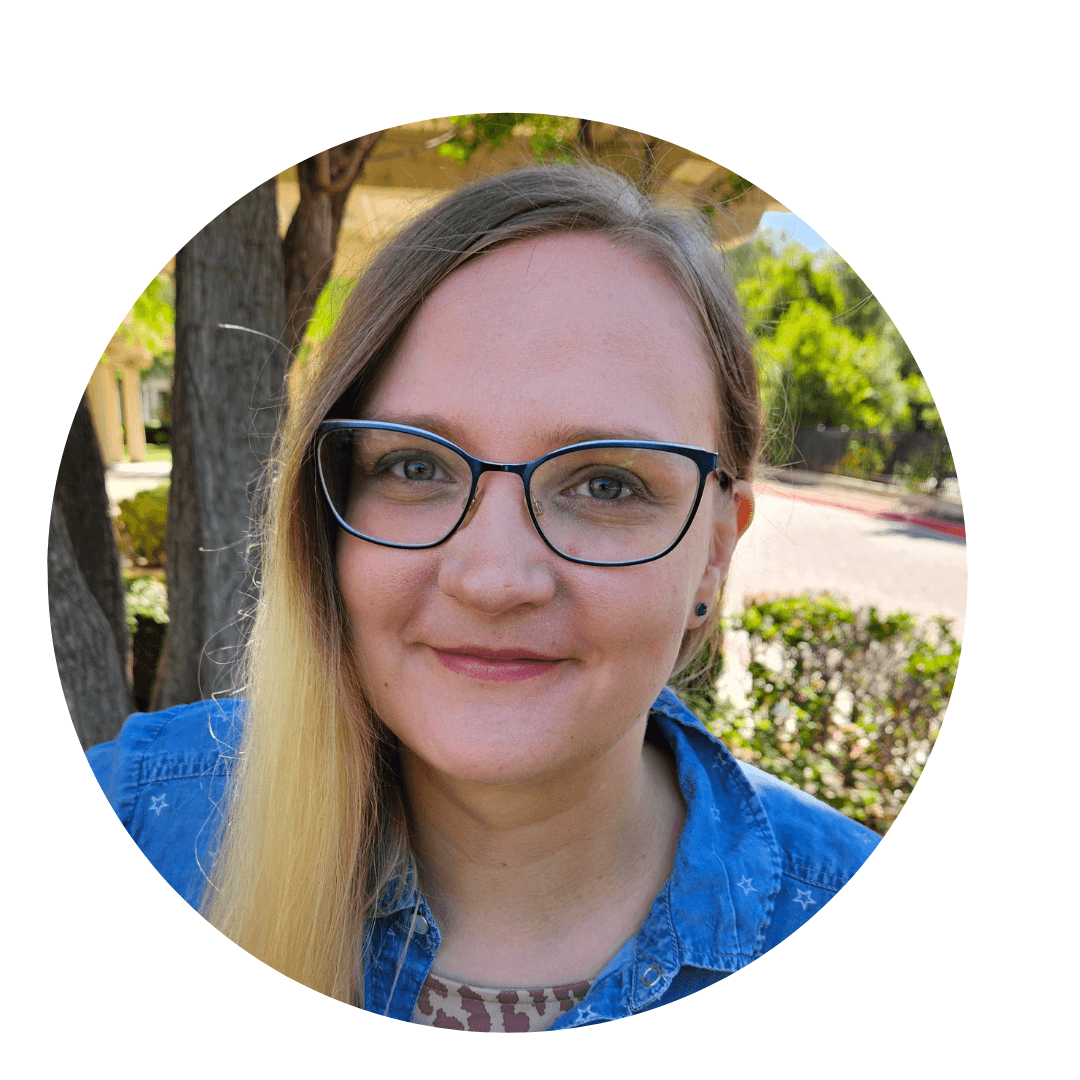
Maarit Grönroos
Bringing over a decade of clinical practice, Maarit has a strong foundation working with children, teens, and adults of all ages. Currently, she provides compassionate support to adults and parents, with deep expertise in LGBTQIA+ themes that stems from both her studies and her lived queer life. Maarit also actively contributes to the field as an educator and author, with contributions to books on sexology.
Created with ©systeme.io
Follow for more content on social media: